






Gujarat makes principal’s permission must for school visits and filming
text_fields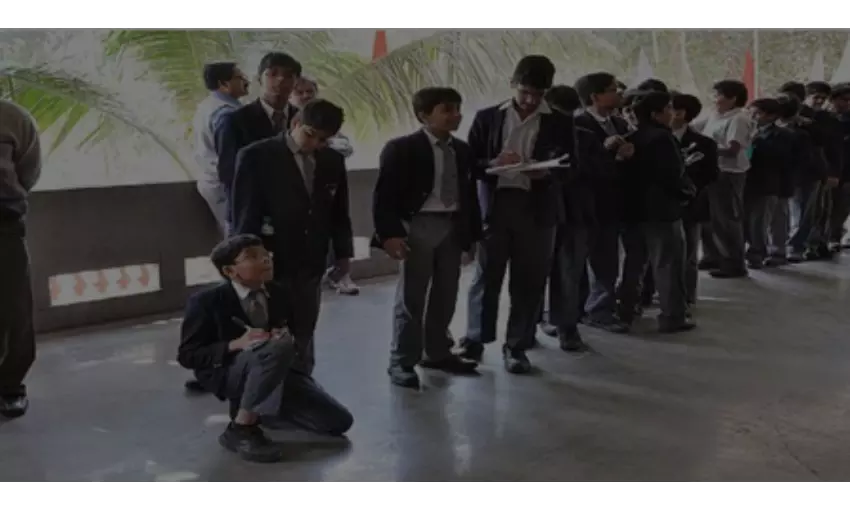

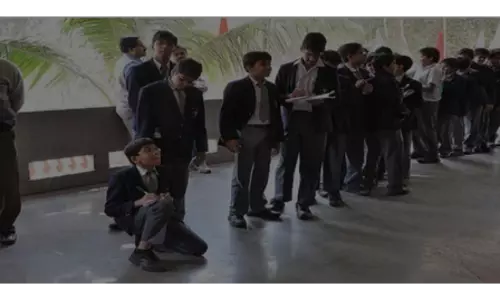
Gandhinagar: Schools in Gujarat will no longer be open to casual or unannounced visits under fresh rules issued by the state Education Department. Any outsider seeking to enter a school will first have to obtain written approval from the principal, while filming, interviewing or recording students and teachers without consent has been prohibited.
The department’s circular, issued on Wednesday, lays down nine instructions applicable to primary, secondary and higher secondary institutions. It has been brought in to strengthen the safety, privacy and dignity of students and school staff.
According to the order, every visitor will have to provide their details in the register maintained at the school before being allowed inside. Entry to classrooms, laboratories, libraries, hostels, playgrounds, toilets and other spaces where students are present will be permitted only after the principal or head of the institution grants written permission. Visitors will also need to be accompanied by the principal, a teacher or another authorised staff member.
Officials of the government who enter schools for official work will not require such prior approval.
The circular makes it clear that no one can take photographs or videos, conduct interviews, record audio or livestream events involving students, teachers or school activities without the principal’s written consent. Permission, if granted, will be limited to lawful purposes.
Schools have also been told to prevent the collection, publication or circulation of students’ photographs, videos and personal information in any form that could harm their privacy, dignity or safety. Visitors cannot seek details about individual children or reveal their identity or images without the principal’s approval.
The department said the restrictions were necessary to regulate access to educational institutions and ensure a secure atmosphere for children. The order refers to the state’s duty to protect children in government schools, the right to life and personal liberty under the Constitution, and the Supreme Court’s ruling recognising privacy as a fundamental right.
Guidelines of the National Commission for Protection of Child Rights on safe and child-friendly schools have also been cited in the circular.
Principals have been given the authority to turn away visitors whose presence may pose a risk to security, privacy, discipline or the academic environment. If someone enters without permission, refuses to leave, tries to film or photograph students without consent, or disrupts the functioning of the school, the principal must immediately alert the local police and the concerned education officials.
The department has asked inspecting officers to monitor compliance with the instructions. Principals can remove unauthorised visitors from the campus and seek police help if needed. Action may also be taken against violators under relevant laws, depending on the circumstances of each case.
(Inputs from IANS)