









14 High Courts have zero Muslim judges, data reveals representation gap
text_fields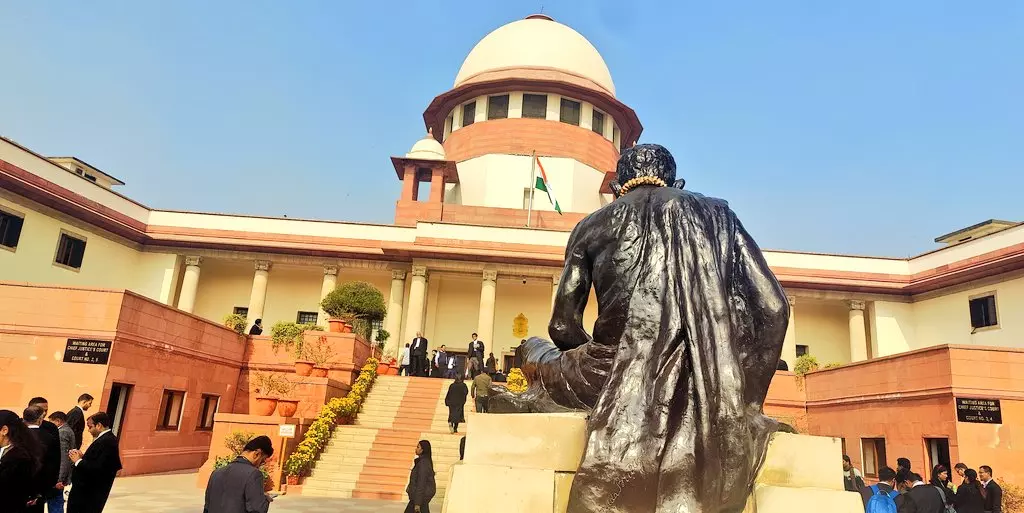

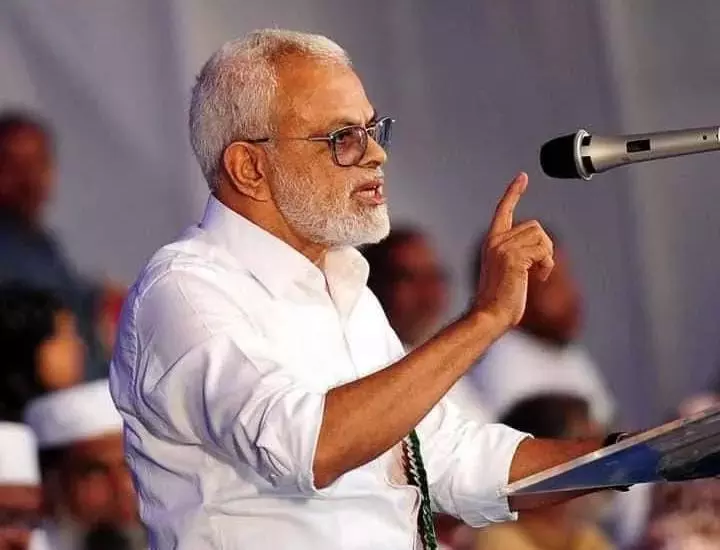
New Delhi: Data has highlighted the severe under-representation of Muslims and other minority and backward communities in appointments to the Supreme Court and High Courts. In an article, senior Supreme Court advocate M.R. Shamshad points out that Muslim representation among advocates elevated directly from the Bar to the High Courts remains extremely poor.
Across 14 High Courts in the country, there are currently no Muslim judges among the 232 judges appointed directly from the Bar. None of the 32 judges appointed from the Bar in the Delhi High Court or the 39 such judges in the Calcutta High Court is Muslim.
In the Allahabad High Court, four of the 77 judges appointed from the Bar are Muslims, while in the Bombay High Court, three of the 59 are Muslims. In the Kerala High Court, three of the 25 judges appointed from the Bar are Muslims, while the figure is three out of 43 in the Madras High Court.
The Patna High Court, with 31 judges appointed from the Bar, has one Muslim judge, while the Telangana High Court has one among 22, Rajasthan one among 26 and Gauhati one among 15. In the Jammu and Kashmir and Ladakh High Court, where Muslims constitute the majority of the population, only two of the six judges appointed from the Bar are Muslims.
The article calls for senior judges to take the initiative to ensure social diversity from the very beginning of the collegium process, under which names for judicial appointments are recommended. It argues that the collegium should recommend more names from minority communities, given the existing tendency for some such names to be withheld or delayed at the level of the Central government.
The article also points out that despite there being no shortage of accomplished advocates from minority communities capable of serving in constitutional courts, failure to ensure diversity on the higher benches goes against democratic values.
A similar lack of representation is visible among judges promoted from the judicial service, or appointed through the service quota. In 10 High Courts across the country, there is currently not a single Muslim judge among those appointed through the service quota.
As many judges appointed through this quota are nearing retirement age, several of them are able to serve only for a limited period in the High Courts. The article notes that appointments from the Bar are the natural route to the Supreme Court and to the position of Chief Justice of a High Court. Therefore, discrimination at the initial stage results in the complete invisibility of minorities in the leadership of the higher judiciary, it says.
The article's key recommendation is that the collegium must be willing to undertake self-correction to preserve the credibility and independent character of the judiciary. Members of the collegium, including the Chief Justice, should demonstrate strong will to proactively identify competent and honest advocates from minority and backward communities and recommend their names to the Central government.
The article further says the collegium must be prepared to reiterate recommendations to overcome objections from the Central government and ensure diversity in the Bar. Unless the collegium is willing to take such steps, the lack of social balance in the higher judiciary will continue to remain a lasting blemish, it says.